As all five of you know, I have a Kickstarter campaign running for a hand-drawn, hand-animated 3D indie game, called “James – Journey of Existence…”

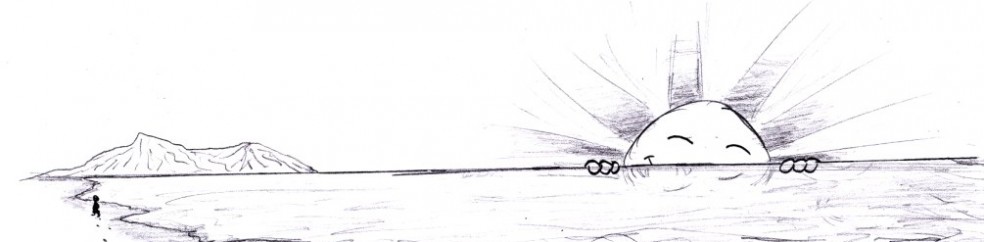
Blogging for the point of blogging.
As all five of you know, I have a Kickstarter campaign running for a hand-drawn, hand-animated 3D indie game, called “James – Journey of Existence…”

May your days be merry and bright!
If you’re excited about the game, here’s a hint: all the characters at the bottom of this picture are set to be somewhere in the game!
Check out our Kickstarter if you haven’t already: http://kck.st/19wTNSh
Actually, stress hasn’t steeped in quite yet. This is that time of the year where student assignments are done but exams aren’t for another week. The calm of the storm. But the storm will come.
(Don’t expect too many updates in the next three weeks. But expect something very soon afterwards… until then, here’s a nice analogy of my brain.)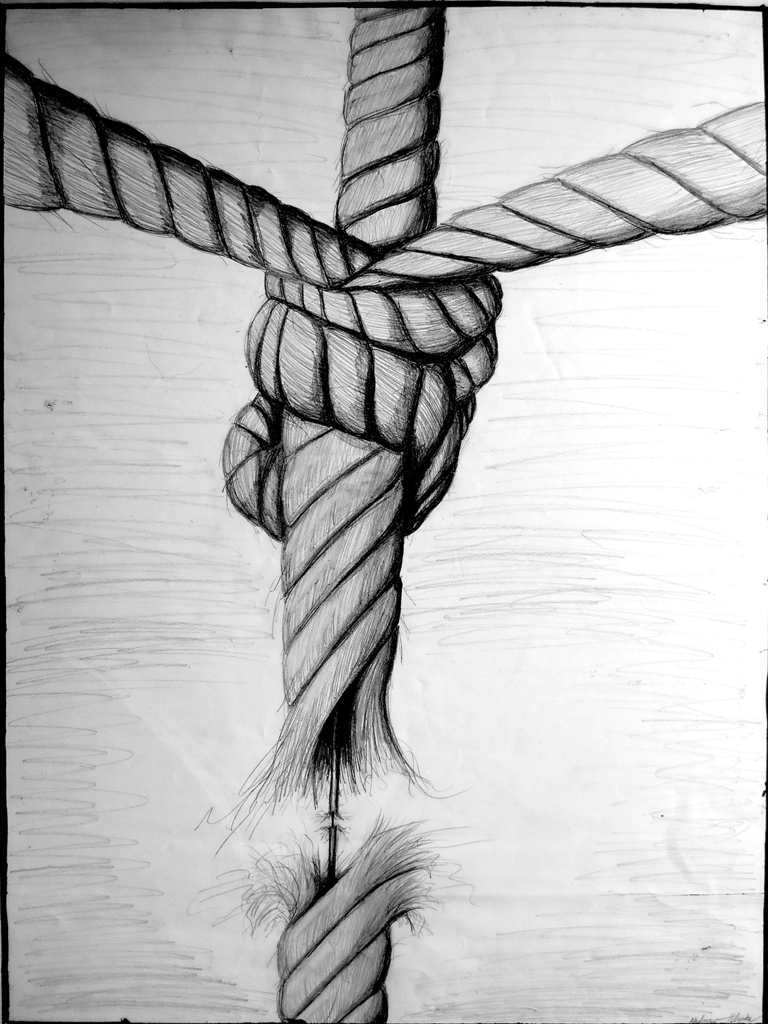
Yes, the games industry is in a bit of a rut.
“But Jasper,” you say, “we’re in the midst of a next-gen revolution! Shiny new consoles are being released that are 10-times as powerful as what we were using before! Some of the best games of the generation were released in the last year! Surely these are great times for the games industry, right?”
First off, don’t call me “Surely.” Second, yes the games we’ve gotten in the last few years have been fantastic. If you time-traveled back about a decade ago and showed them “Skyrim” or “Grand Theft Auto V,” they’d wet their pants. But remember that for every good game like these, there are several mediocre ones that somehow get on store shelves, but even those titles are slightly better in quality. And all of these games seem vaguely similar, despite being of different genres. I guess I’m saying after years of gaming, I just don’t feel excited like I used to.
Yes, the animation industry is in a bit of a rut.
First off, let’s cover the basics. Animation is typically divided into three categories in film: traditional/cel-animation, computer assisted animation, and stop-motion animation.
Traditional animation is like those old Disney movies you remember. “Snow White,” “The Lion King,” “The Little Mermaid,” “The Beauty and the Beast”, etc. These were hand-drawn: every frame (as many as 24 per second) had to be hand-made by a team of artists one by one.
Computer assisted animation is typically thought of as 3D animation, although 2D flash also counts (but I’m not counting traditional animation fixed in Photoshop or Post-Processing, as those still require an artist to create every frame). Here, animators don’t have to draw every single frame. Instead, animators draw keyframes as they normally would, but instead of an in-between artist finishing up extra frames for smoother animation, the computer automatically fills in the gaps for an ultra smooth clip. Animators can also use tools to fiddle with 3D models, and typically spend more time adding details and improving visuals. Therefore, it’s actually the easiest and cheapest of the three animation styles, despite the amount of knowledge and experience needed to use the computer software correctly, and that extra time can be afforded to making higher-quality work.